[Video: Slow drone shot following expedition vehicle through rugged Iberian terrain at golden hour]

Your eDNA. Collected remotely. Delivered instantly.

Mobile environmental DNA collection and near-real-time data delivery from remote field sites across the Iberian Peninsula and beyond.

The Challenge

Remote eDNA Sampling Shouldn't Require a Full Expedition

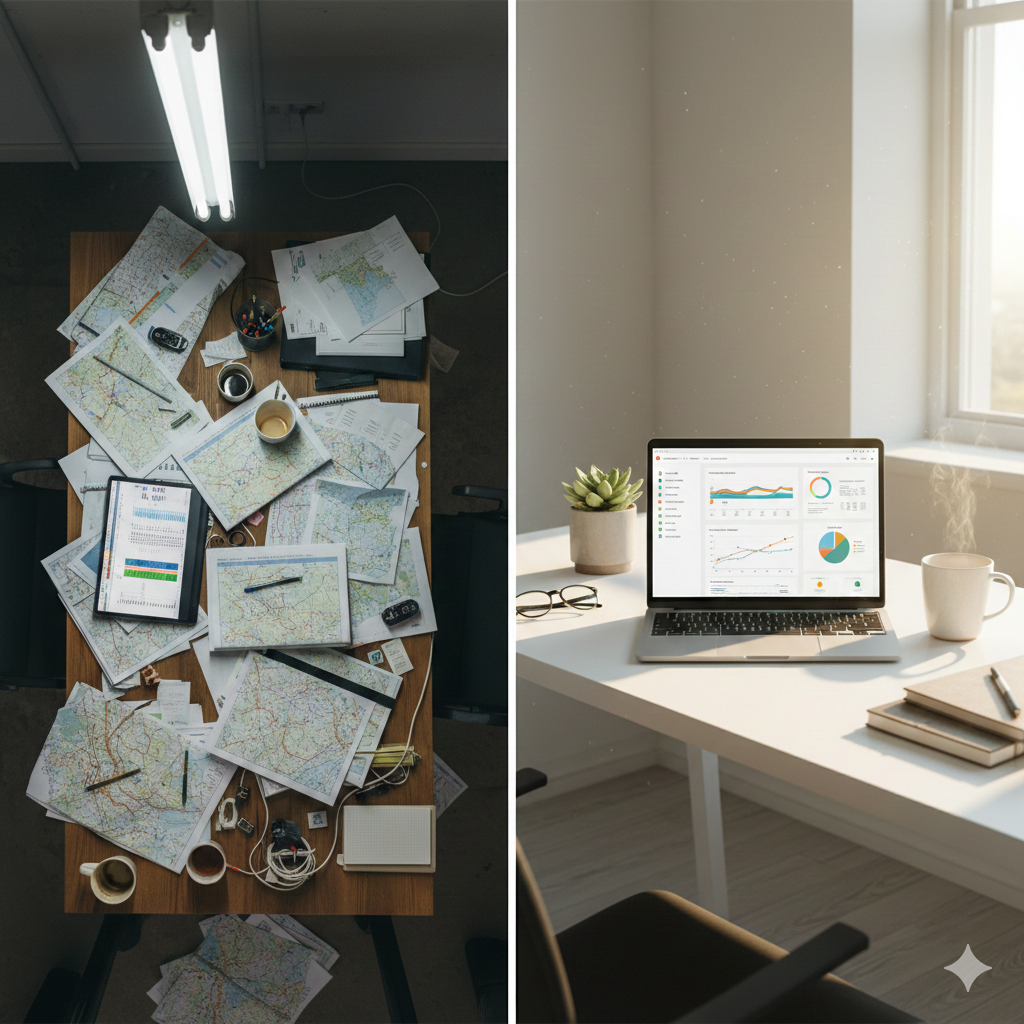
Collecting environmental DNA from remote, hard-to-reach locations is expensive and logistically complex. Deploying your own team — lab assistants, data scientists, vehicles, equipment, permits — for weeks at a time is often impossible to justify.

Critical biodiversity data goes uncollected. Research timelines slip. Monitoring gaps widen.

TerraTrace exists to remove that overhead. We deploy to the location, run the sampling and on-site processing ourselves, and return the data to you.

Split image showing logistics complexity versus simple data delivery

Our Services

Mobile eDNA Expeditions, End to End

From sample collection in the field through on-site processing to data delivery.

Remote Collection

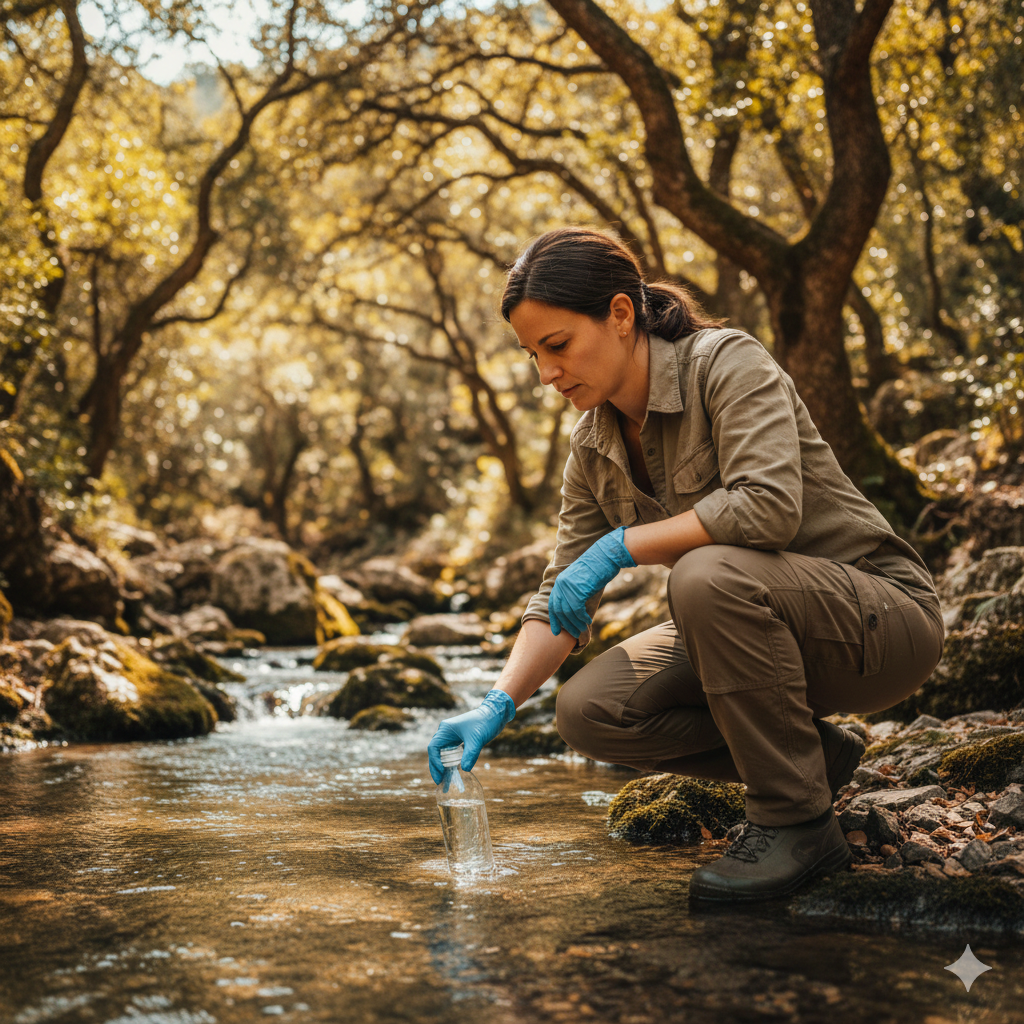
We deploy overland to remote and off-grid locations across the Iberian Peninsula and beyond. Our expeditions persist for 1–6 weeks, enabling repeat sampling from the same sites across different time periods — capturing temporal biodiversity patterns that single-visit sampling misses.

Field Processing

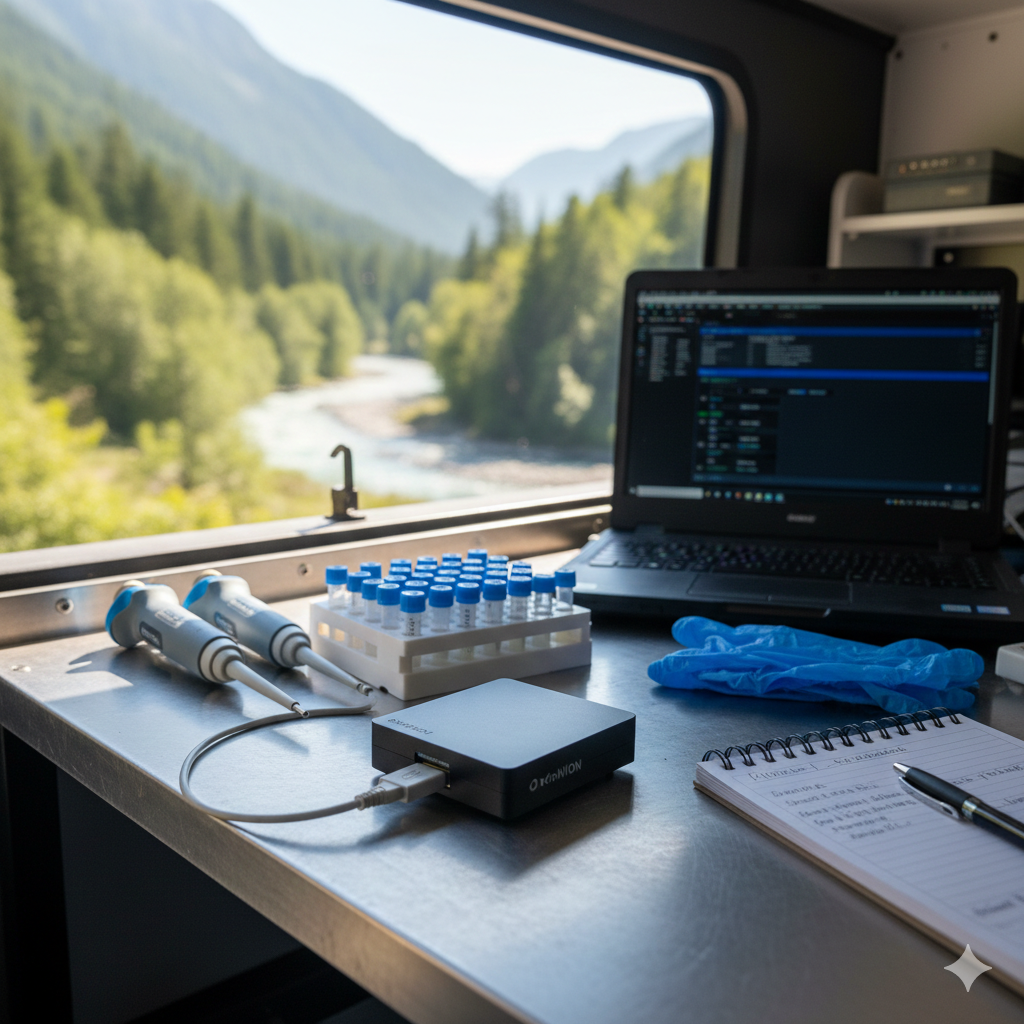
Samples are processed on-site using professional-grade protocols and portable sequencing technology (Oxford Nanopore). No waiting for samples to reach a distant lab. No degradation in transit. No cold-chain logistics to manage.

Near-Real-Time Data Delivery

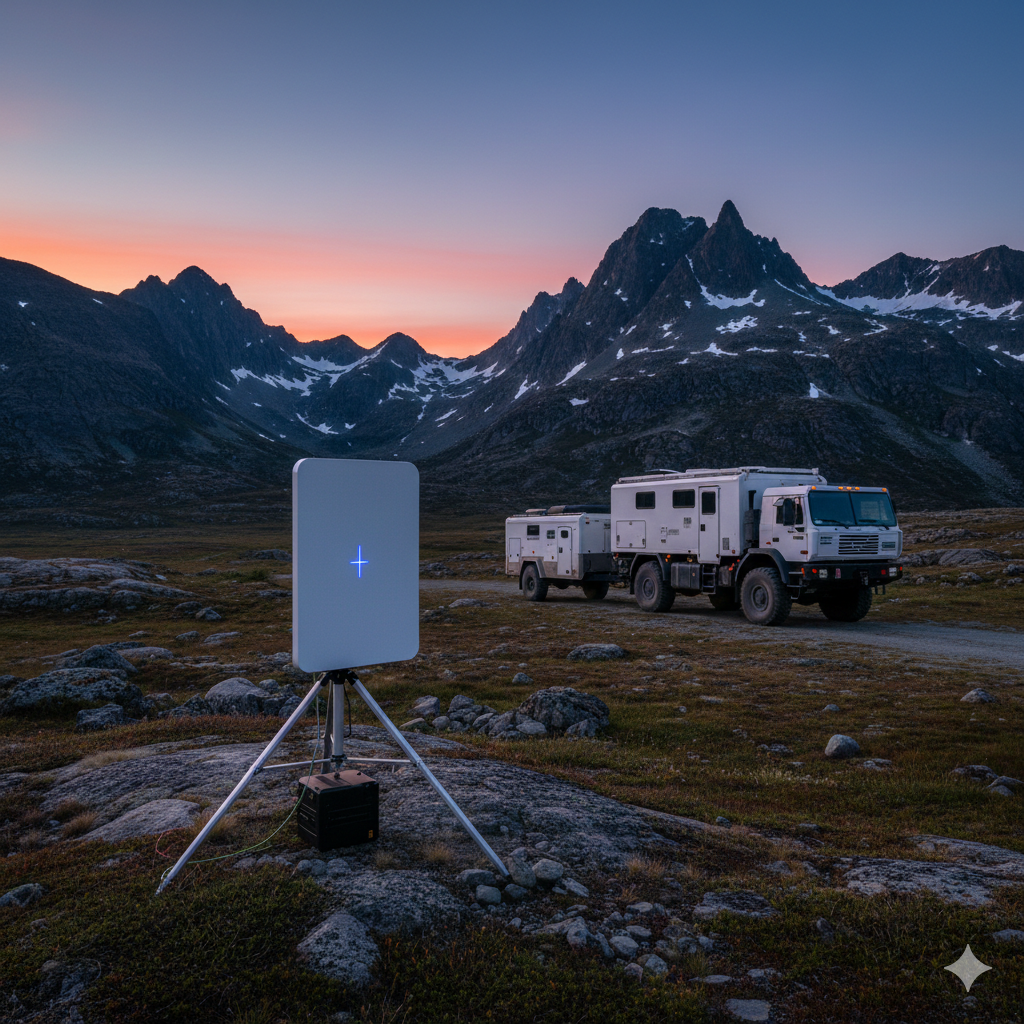
Sequencing data is transmitted from the field via satellite link (Starlink), allowing you to review results, adjust collection parameters, and redirect sampling effort during the expedition rather than after it has ended.

The Process

From Brief to Biodiversity Data in Four Steps

Define Requirements

Tell us what you need: target species, habitat types, sampling sites, duration, and data formats. We take care of permits, logistics, equipment, and planning.

Deploy

The self-contained mobile laboratory travels overland to the target location. We set up camp and begin systematic eDNA collection according to the agreed protocol.

Collect, Process, Transmit

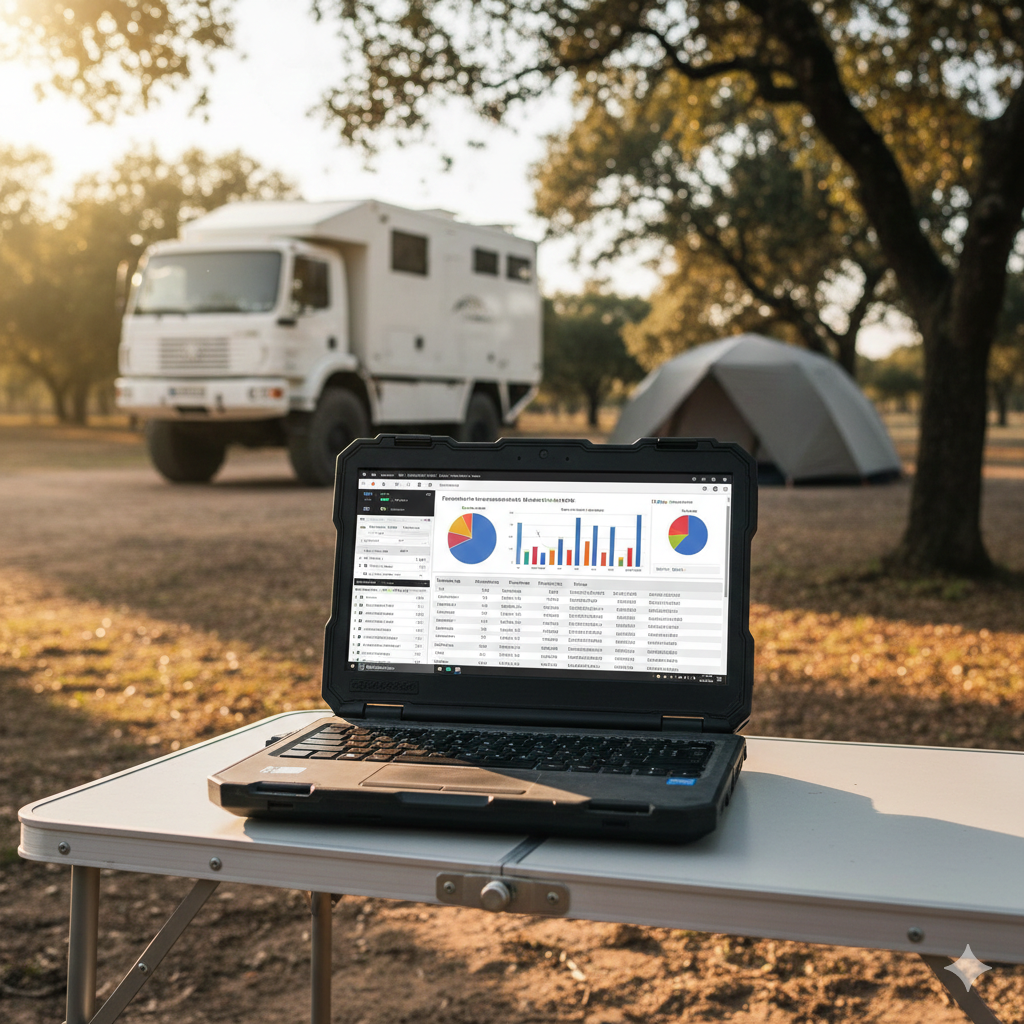
Samples are collected, processed, and sequenced on-site. Data streams back to you in near real-time. You can review preliminary results and adapt the sampling plan as the expedition progresses.

Final Reporting

At the end of the expedition you receive the dataset, with metadata, field notes, and a written expedition report.

Process timeline showing expedition workflow from vehicle arrival to data delivery

Who We Work With

Researchers, Consultancies, and Agencies

We work with organisations across academia, industry, and government who need eDNA data from sites that are difficult to reach with conventional fieldwork.

Academic Researchers

Access remote sampling sites without the overhead of organising your own expedition. Ideal for longitudinal biodiversity studies, PhD fieldwork components, and multi-site research programmes.

Environmental Consultancies

Deliver eDNA data to your clients from locations that would otherwise be cost-prohibitive. Subcontract your remote fieldwork to us and focus on analysis and reporting.

Government & Regulatory Agencies

Meet EU biodiversity monitoring obligations — including the Nature Restoration Law — with reliable, repeatable eDNA data from protected and hard-to-access areas.

Service Notes

How TerraTrace Operates

The service is built around the operational realities of remote eDNA fieldwork.

Self-Contained

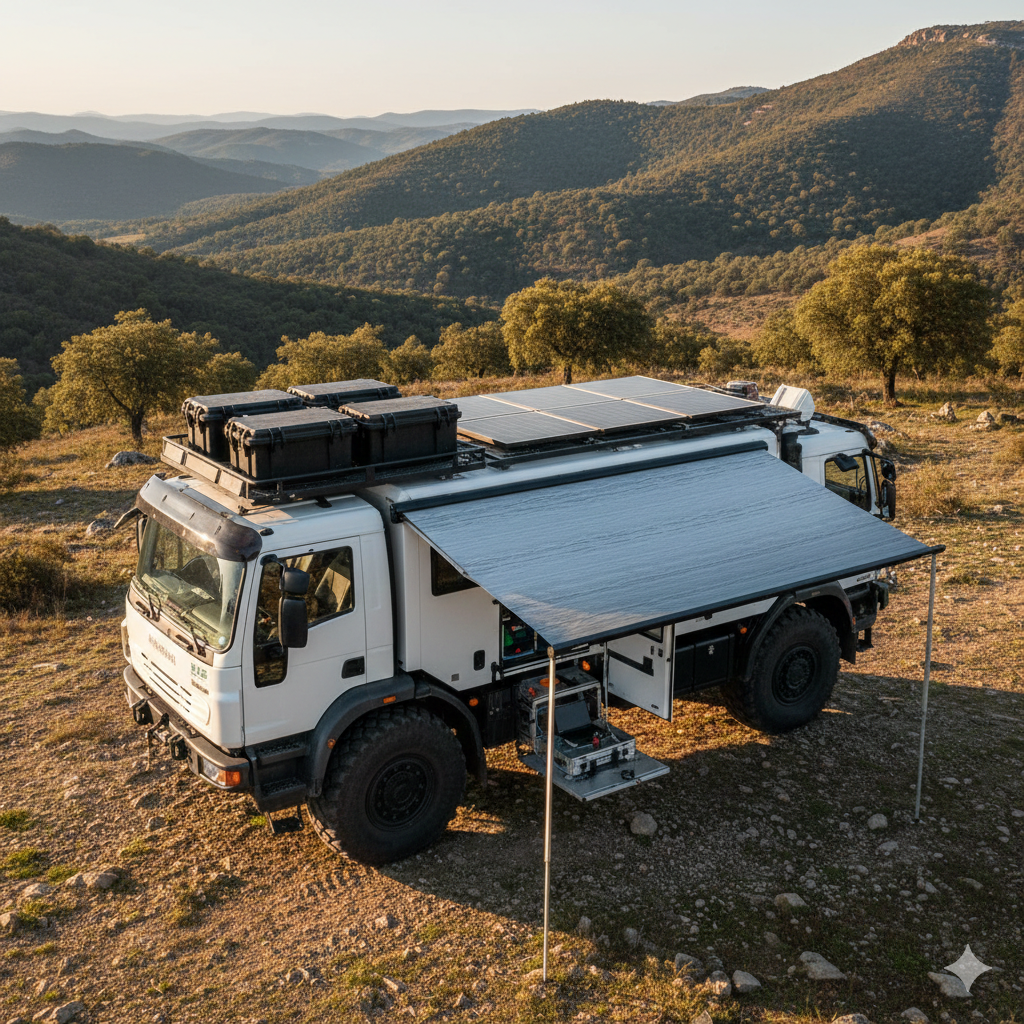
We carry the laboratory equipment, power generation, water, provisions, and satellite communications needed to run an expedition without local infrastructure or on-the-ground support.

Adaptive Sampling

Because data is returned during the expedition rather than after it, the sampling plan can be adjusted as results come in — redirecting effort when something unexpected appears, or adding replicates where they are needed.

Documented Protocols

ISO-aligned standard operating procedures, chain-of-custody documentation, and quality-assurance steps appropriate for regulatory and research use.

Built for Iberia

We are based in Spain and operate across the Iberian Peninsula, with working knowledge of the region's habitats, access conditions, and regulatory environment.

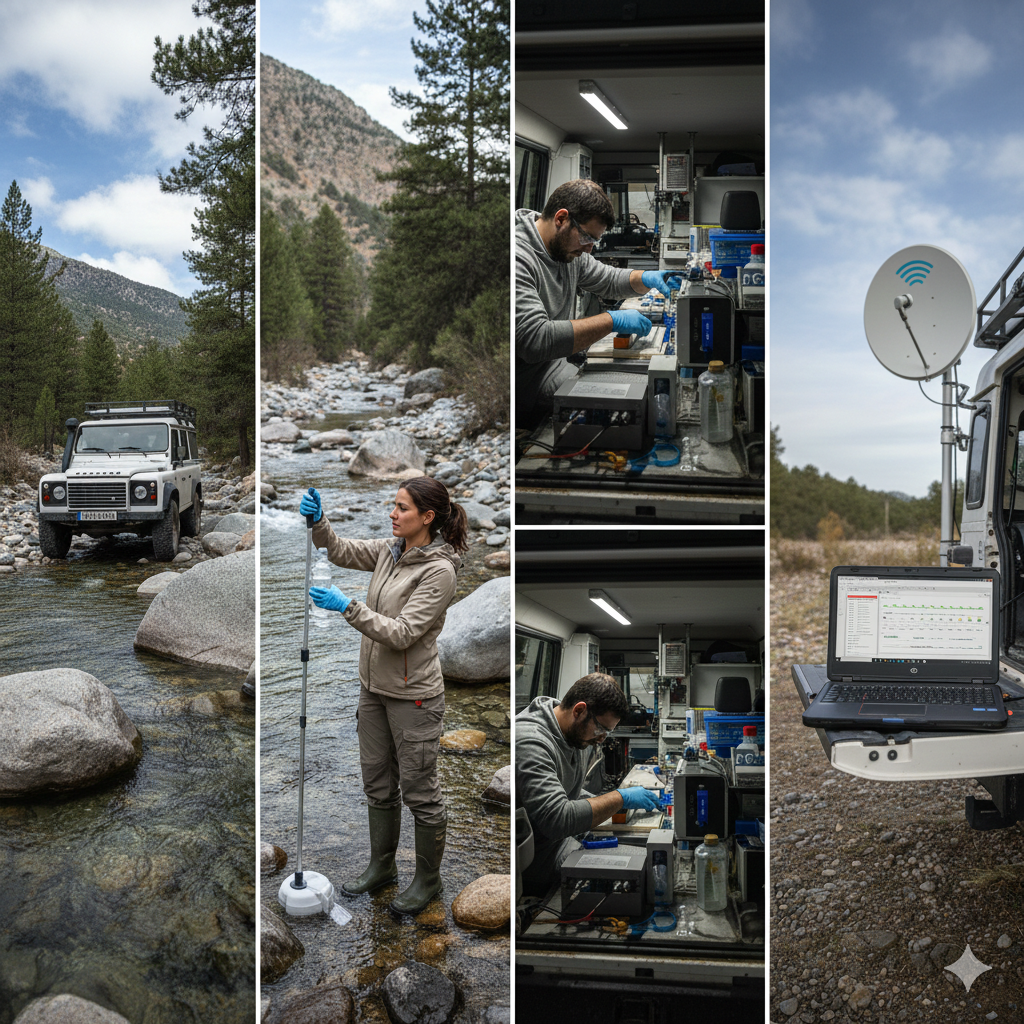
Portable lab equipment — MinION sequencer and pipettes on a field workbench Starlink satellite dish deployed in a remote mountain landscape Researcher collecting water samples from a clear mountain stream Data analysis dashboard displayed on a rugged laptop in the field

Why This Matters

You cannot govern what you cannot perceive.

For most of its history, humanity has made consequential decisions about the living world with anecdote, periodic surveys, and a handful of satellites watching the things satellites can see. The biological dimension of the Earth system — the communities and interactions whose dynamics actually generate ecological resilience — has remained almost invisible to systematic observation. And the places where it matters most are precisely the places traditional fieldwork rarely reaches.

Environmental DNA changes that. A litre of stream water, a soil core, a filter exposed to forest air: each carries a legible record of the organisms whose presence and decline shape what a landscape can become. For the first time, continuous, high-resolution biological monitoring is technically possible — not as a one-off census, but as a sustained sensorium for the living planet.

TerraTrace exists to take that sensorium into the regions it currently misses. Every expedition we run is a contribution to a perceptual capacity that humanity is only beginning to build: a record of the biological fabric of the Iberian Peninsula, returned in real time, archived against shifting baselines, and integrable with the wider Earth observation infrastructure that already exists.

"Every reduction in biodiversity is a quantifiable reduction in the Earth system's capacity to adapt — to reorganise under changed conditions, to find new viable configurations when current ones become untenable."

— Dr. Richard Carter, Planetary Resilience: Sustaining the Distributed Cognition of the Living Planet (forthcoming)

This is the argument our founder makes at length in his forthcoming book. It is also the reason this company exists. We treat each project as a research collaboration, not a delivery — because the data it produces has a longer life and a wider obligation than any single contract.
Coverage Area

Where We Operate

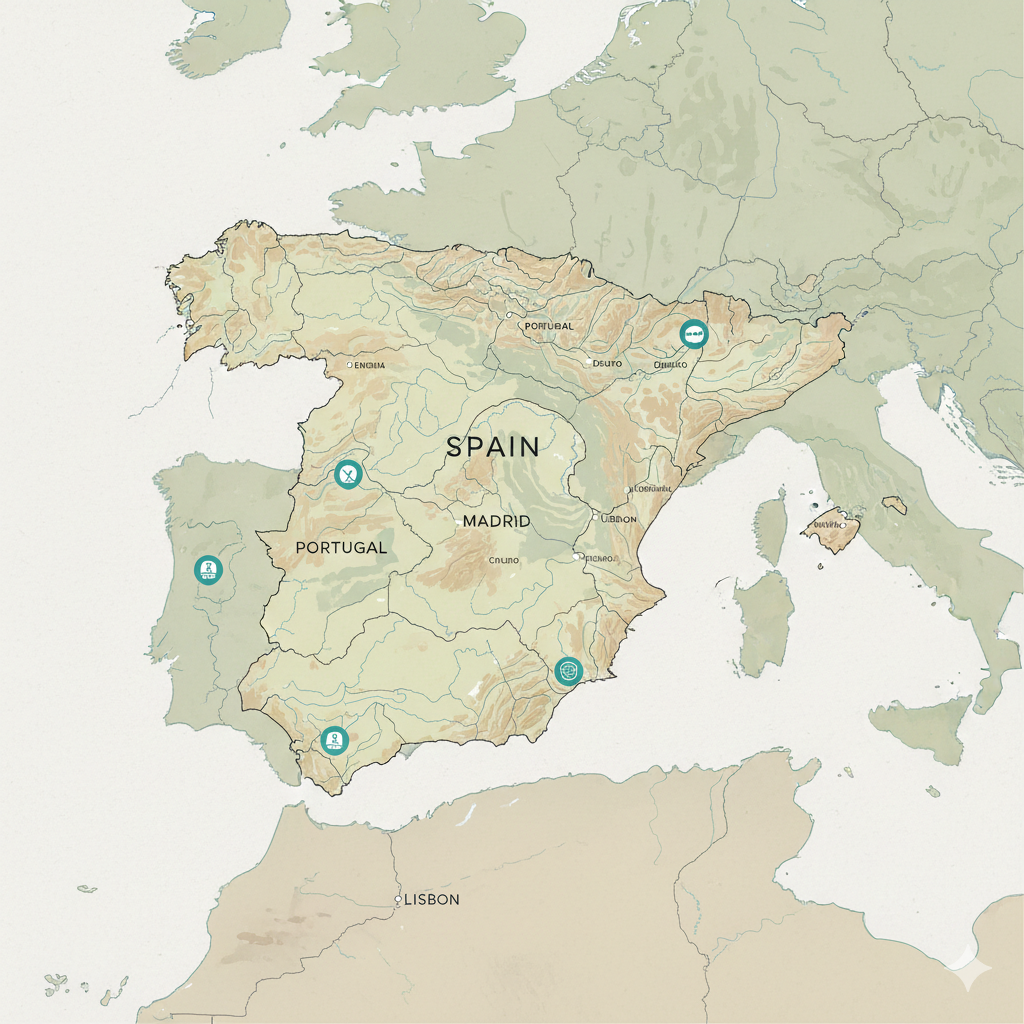
TerraTrace is based in Spain and currently operates across the Iberian Peninsula — from the wetlands of Doñana to the mountain streams of the Pyrenees, from the cork oak forests of the Alentejo to the volcanic landscapes of the Canary Islands.

We're expanding into Northern Europe and North Africa as our operational model matures.

Expanding to Northern Europe & North Africa
Map showing TerraTrace operating region across Iberian Peninsula with habitat markers

Use Cases

eDNA Applications

The mobile expedition service supports a range of environmental monitoring and research applications.

Biodiversity assessment and monitoring

Invasive species detection and early warning

Water quality and aquatic ecosystem health

Protected species surveys (EU Habitats Directive)

Environmental impact assessments

Soil microbiome and terrestrial ecology

Longitudinal and temporal ecological studies

If your project involves eDNA from a site that is difficult to reach, it is worth a conversation.

About Us

The Team Behind TerraTrace

TerraTrace was founded by Dr. Richard Carter, a complexity scientist whose work on critical technology and security challenges has been drawn on by the UN, the BBC, and The Economist.

After three decades analysing complex systems for policy audiences, he became increasingly concerned that environmental decisions are routinely made with insufficient data about the natural systems they affect.

TerraTrace grew out of that concern — combined with military expedition training and ultramarathon experience in remote environments — as a practical attempt to close part of the gap.

Expedition vehicle mobile lab setup — 4x4 with popup roof, solar panels, and scientific equipment

Get in Touch

Let's Plan Your Expedition

Whether you are scoping a research project, preparing a tender, or exploring whether eDNA fits your work, get in touch and we will reply.

Based in Valencia, Spain
Operating across the Iberian Peninsula
Please enter your name
Please enter a valid email address
Please enter your message

Message Sent!

Thank you for your enquiry. We'll review your project details and get back to you within 2 business days.